Rakija and Serbian drinking culture
Drinking in Serbia comes with its own customs. Learn three of them and you will fit in at any table: how to toast, what rakija is and how a kafana works.
What is rakija?
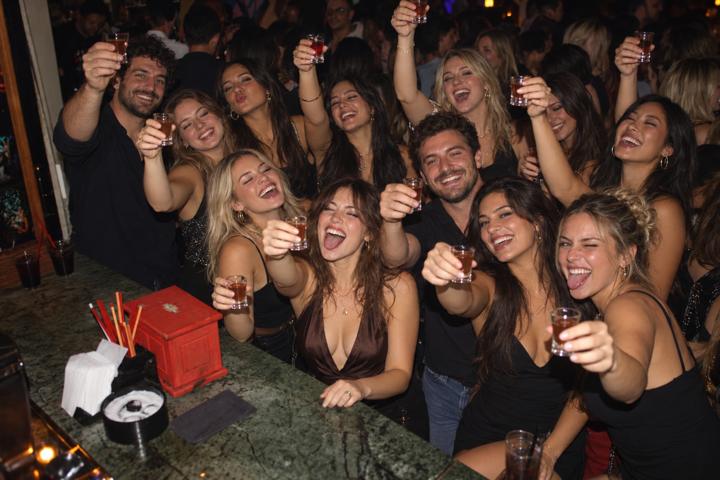
Rakija is fruit brandy, the traditional spirit of the Balkans. The best-known type is made from plums (šljivovica), but you will also see apricot, quince, pear and grape versions. It is usually served in small glasses, often as a starter or a welcome drink.
How to toast
The Serbian word for cheers is Živeli! (ZHEE-veh-lee). Making eye contact while you clink glasses is the custom.
How a kafana works
A kafana is a traditional Serbian tavern. Expect grilled meat, salads, a long wine and rakija list, and sometimes live folk music. Tables are for lingering, not for turning over quickly. The best are around Skadarlija; see our nightlife areas guide.
Three more Serbian words
- Hvala (HVAH-lah): thank you
- Još jedno! (yosh YED-no): one more
- Živeli! (ZHEE-veh-lee): cheers
Drink it responsibly
Rakija is strong, often around 40% alcohol or more, and homemade versions can be stronger. Sip it, eat with it and follow the pub crawl rules on pacing.
Want a local-style night without planning? See our Belgrade pub crawl.
Join the Friday crawl
Every Friday: 2 bars + 1 club in Belgrade, €15 per person. We meet in the center and move as one group.
See the pub crawlFrequently asked questions
What is rakija?
Rakija is a fruit brandy, the traditional spirit of Serbia and the Balkans, most famously made from plums.
How do you say cheers in Serbian?
Živeli! It is pronounced ZHEE-veh-lee.